Celebration of the 35th Anniversary of the Nordic Council of Ministers’ Office in Estonia in Tartu
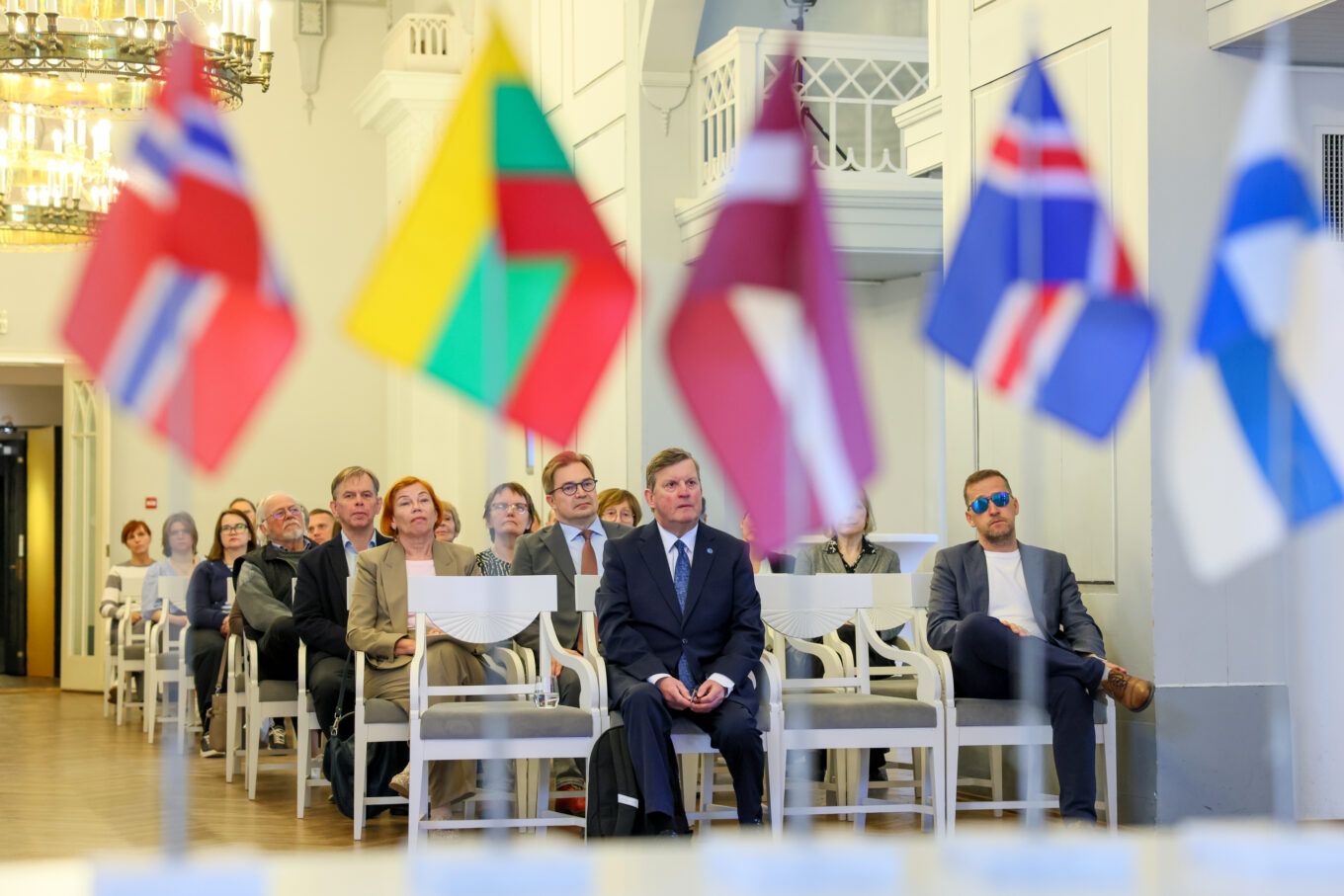
On 7 May, the seminar “Nordic-Baltic Cooperation – Results and Way Ahead” took place at the University of Tartu Museum to mark the 35th anniversary of the Nordic Council of Ministers’ Office in Estonia. The event brought together experts from various fields to discuss the achievements of Nordic-Baltic cooperation and its future directions. In 2026, the Nordic Council of Ministers celebrates its 35 years of activity in Estonia. The anniversary seminar focused on how cooperation in the region has evolved over the decades and what opportunities and challenges lie ahead. Throughout the day, discussions covered education, research, energy, social affairs, and regional development, highlighting the growing strategic importance of cooperation in a rapidly changing world.
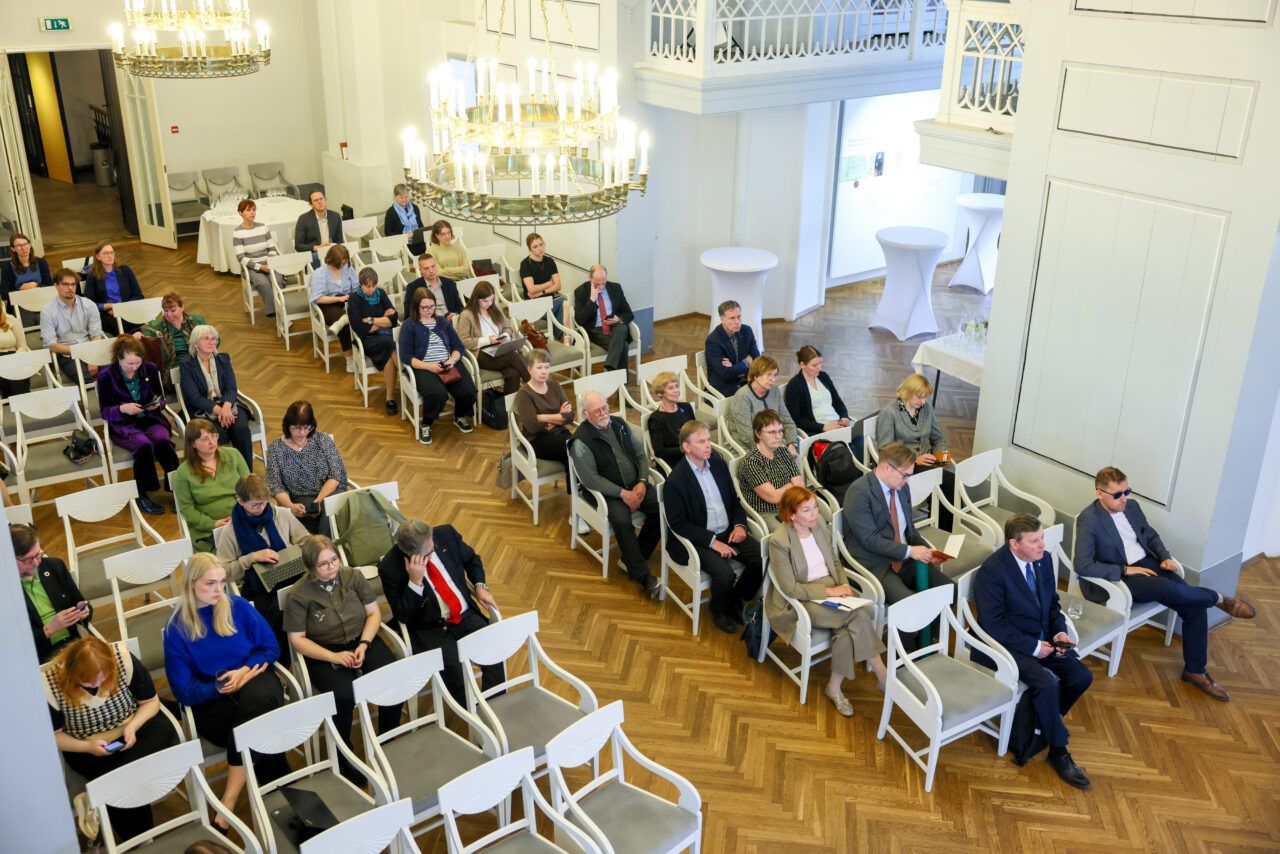
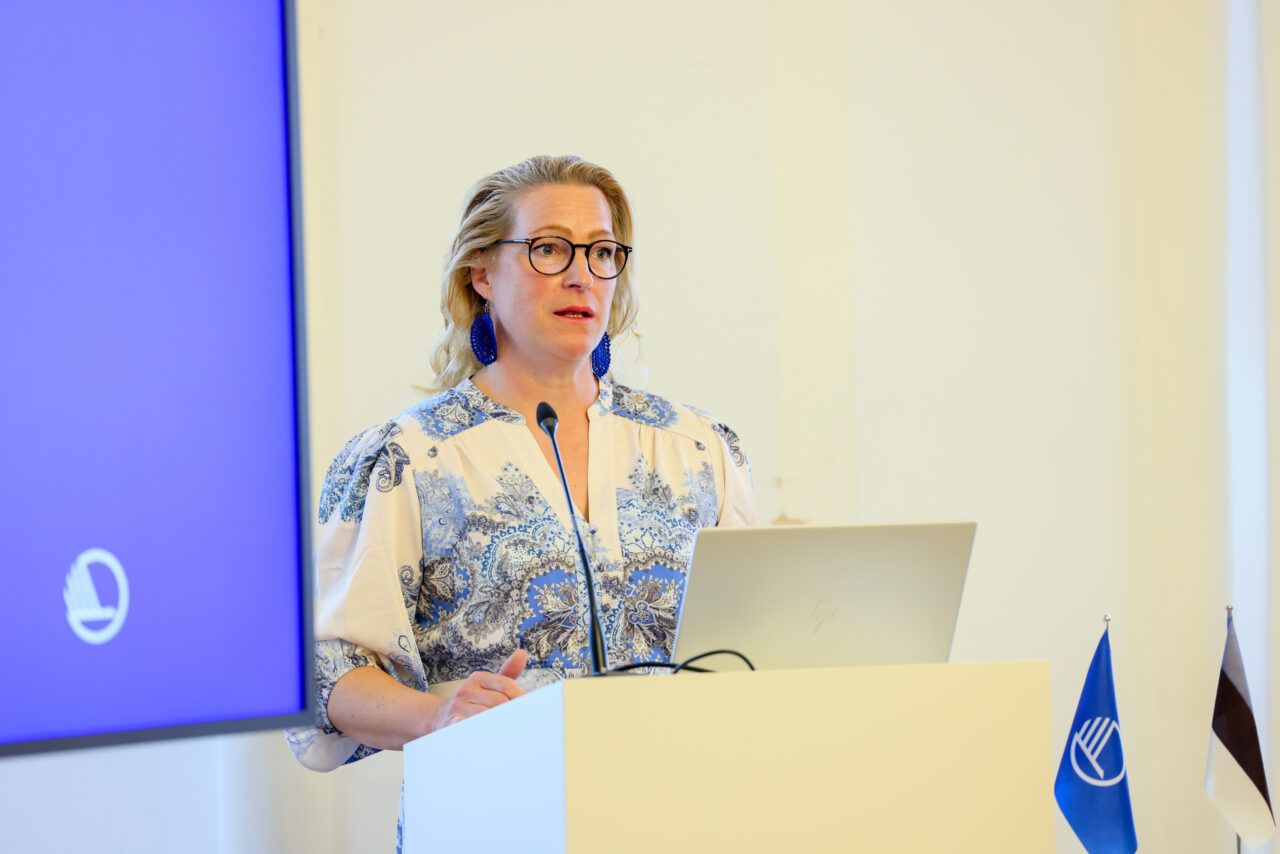
Maria Gratschew, Director of the Nordic Council of Ministers’ Office in Estonia opened the seminar, giving an overview of how the organisation’s cooperation has developed into a close Nordic-Baltic network. She emphasised that today’s cooperation is no longer merely about providing support or assistance, but about setting common goals and strategically developing the region together. Estonia is actively involved in numerous international projects, and as Chair of NB8 during 2026, the country has a strong opportunity to further strengthen cooperation in research, innovation, education, and defence across the region.
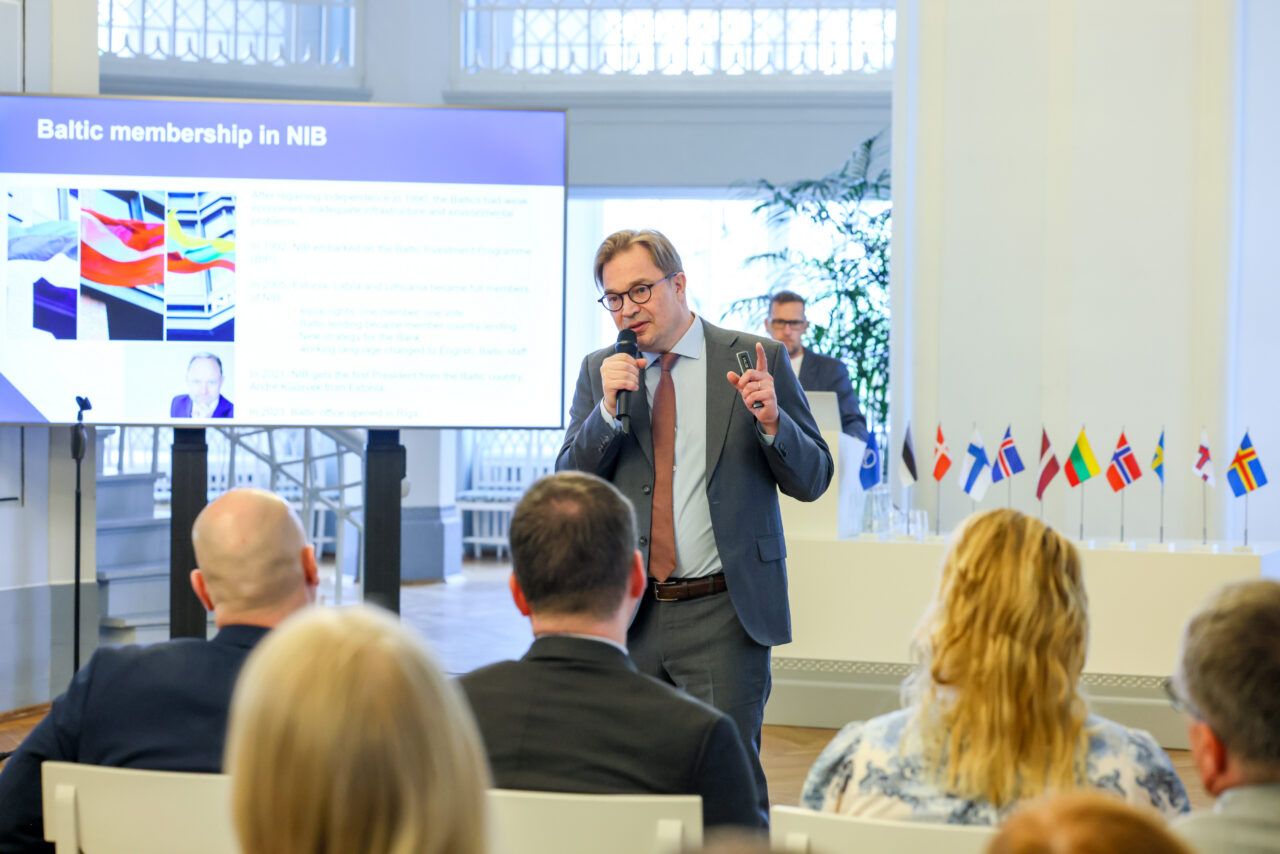
Jukka Ahonen, Head of Corporate Relations at the Nordic Investment Bank (NIB), spoke about the bank’s role in regional development. According to Ahonen, NIB is a true Nordic-Baltic cooperation instrument operating under the principle of “one member, one vote.” The bank’s key objectives are to improve productivity, support environmental sustainability, and contribute to long-term development. As examples, he highlighted urban development projects in Tartu and the advancement of drone technology in Estonia. Ahonen noted that while defence-related financing had previously been avoided, strategic investments in the sector are now increasingly recognised as necessary. He stressed that supporting different sectors ultimately enables people to shape their own futures.
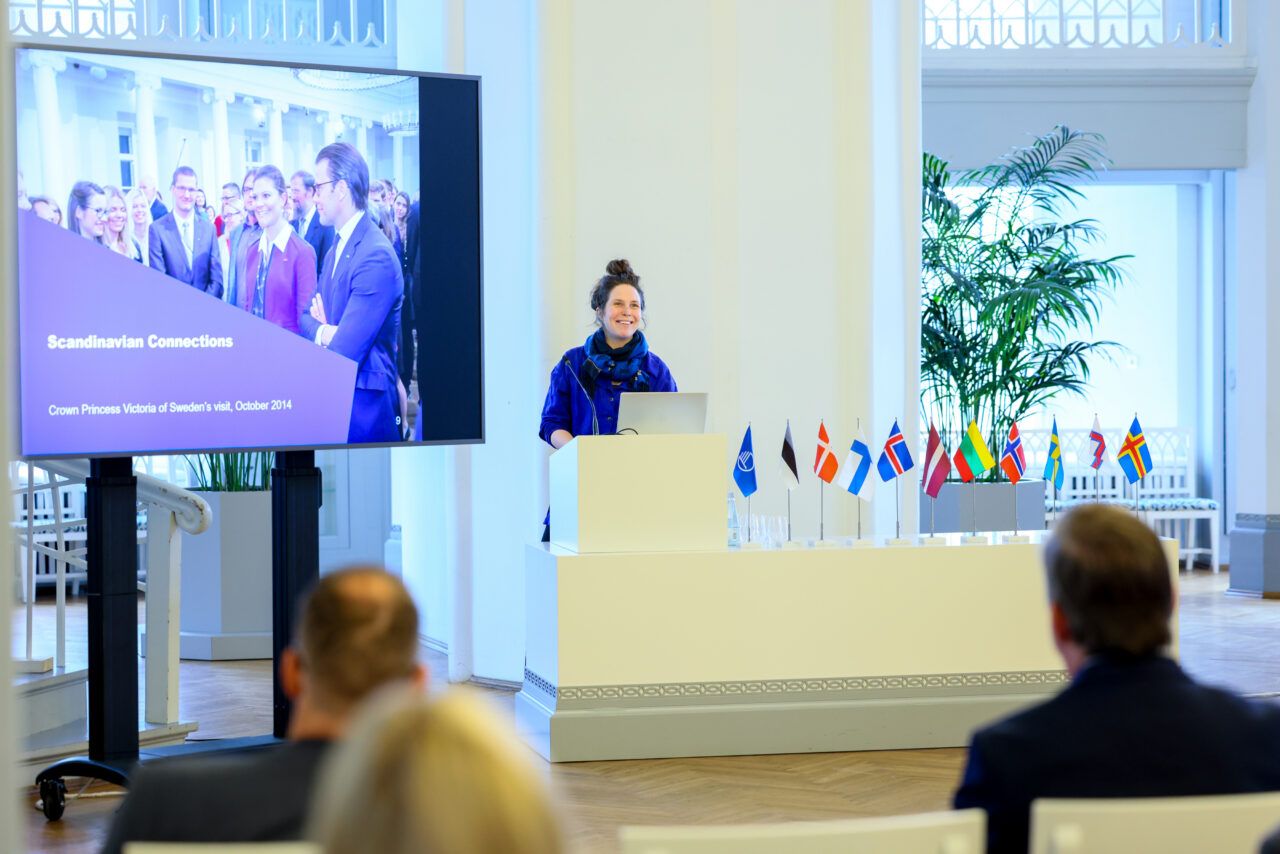
Mie Mortensen, Visiting Lecturer in Danish Language and Literature at the University of Tartu brought in the aspect of education and cultural cooperation, introducing the university’s Department of Scandinavian Studies – a small but significant centre for Scandinavian languages and cultures in Estonia. All Scandinavian languages are taught at the University of Tartu, with the aim of creating an environment where learning one Scandinavian language also helps students understand the other languages and cultures of the region. In addition to academic knowledge, the department places strong importance on building a vibrant social and cultural community.
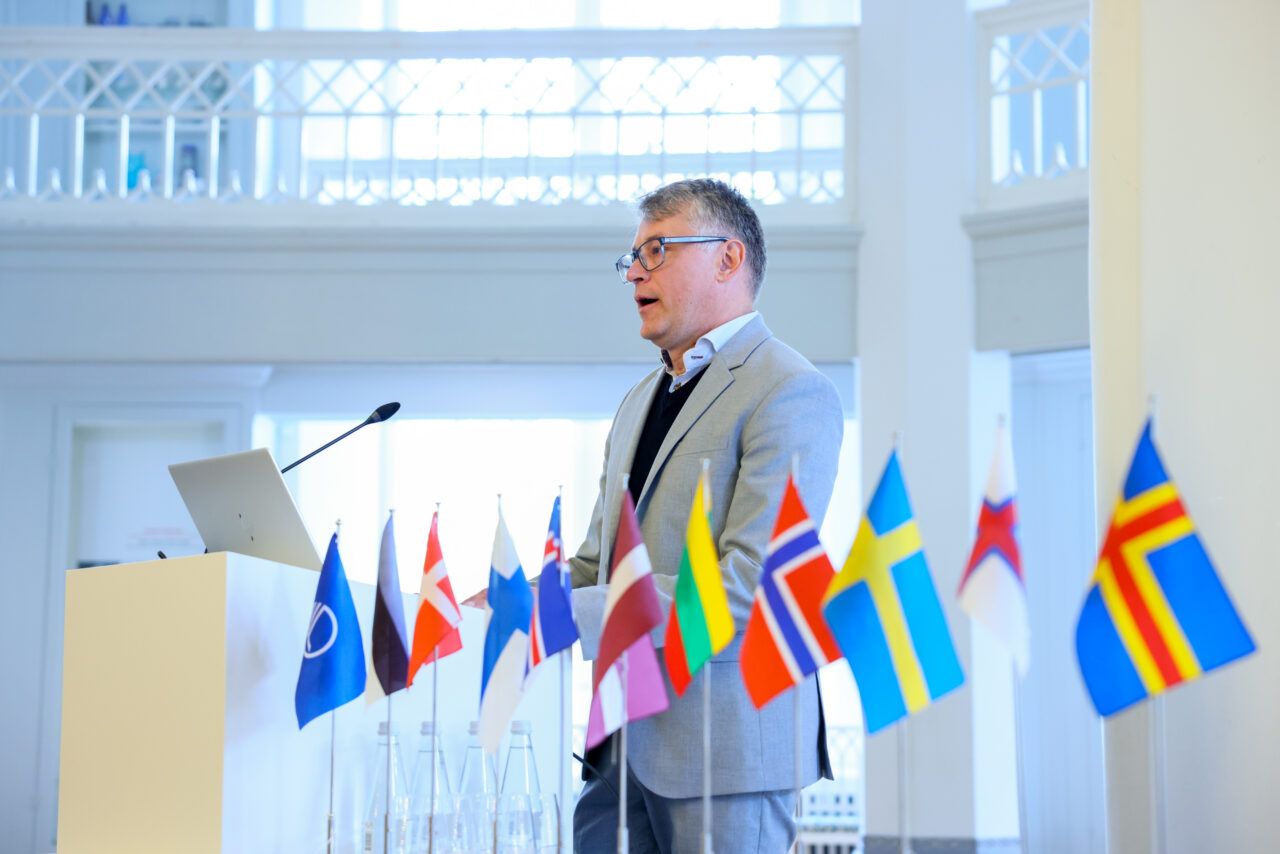
Meelis Joost, Chairman of the Estonian Chamber of People with Disabilities, spoke about the role of the Nordic countries in shaping an inclusive society in Estonia. He recalled that Estonia’s interest in the Norwegian language and Nordic experiences began to grow already in the 1990s. Student exchanges and international contacts brought new ideas to Estonia for developing social services and care systems. Today, cooperation has become more practical and impactful through joint development work, knowledge sharing, and advocacy for regionally important changes. Joost also highlighted the need to involve more young people and to build stronger cooperation networks across the region.
Karin Jaanson, Director of the Estonian Research Council, addressed the future of scientific cooperation. According to Jaanson, collaboration gives small countries with limited resources greater capacity and stronger research infrastructure. Nordic-Baltic research projects help develop expertise and expand cooperation opportunities. She pointed out that participation in NordForsk programmes had previously been difficult and costly for smaller partners, but the system has since become more supportive, including towards projects that may not succeed immediately. She identified forestry, artificial intelligence, sustainability, and regional innovation as key focus areas. In her view, research conducted within a shared cultural space is becoming increasingly important in a rapidly changing world.
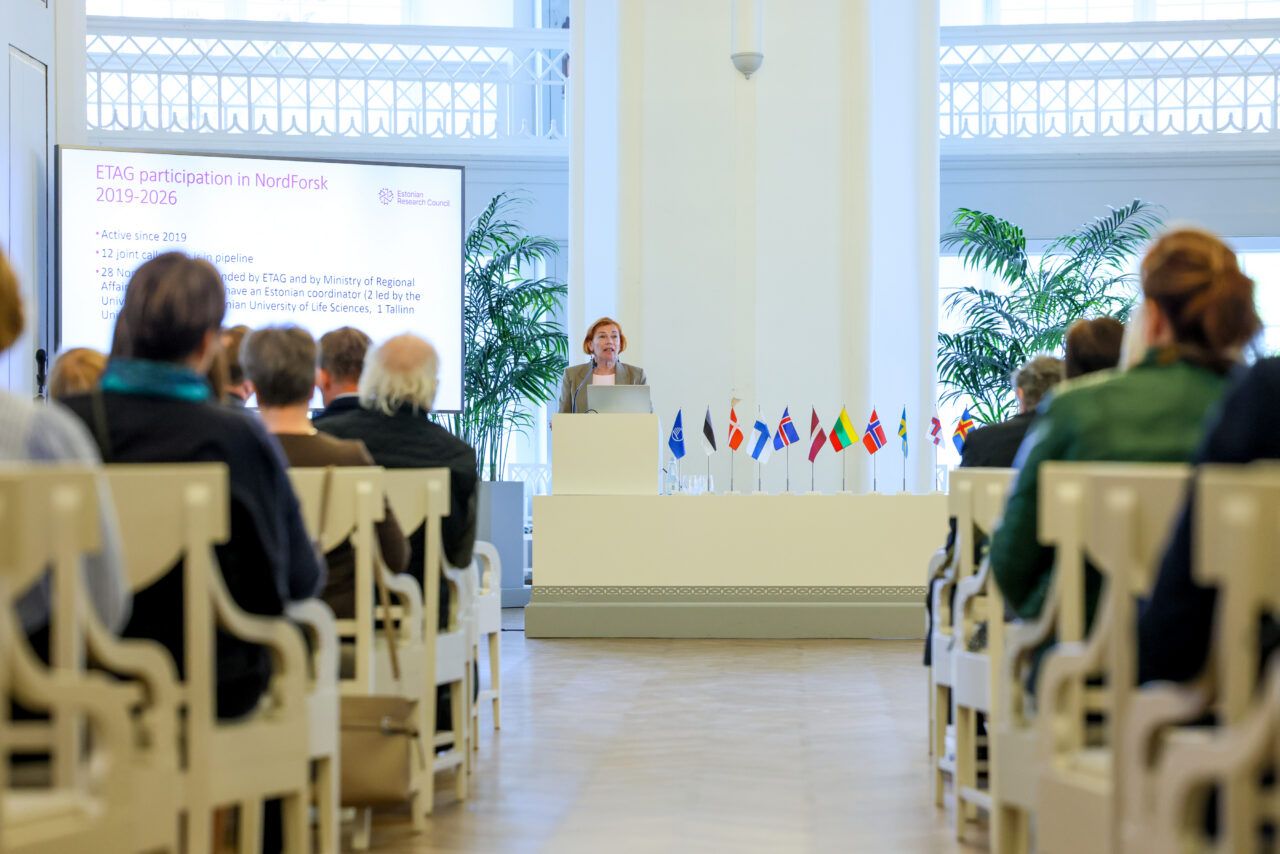
Sulev Alajõe, Head of the Islands Energy Agency, spoke about future directions in energy cooperation, focusing on energy solutions for islands and the Baltic Sea region’s potential in wind energy production. He stressed the need for greater innovation that takes local conditions into account. He also pointed out that limited energy infrastructure connections between the Nordic and Baltic countries increase the region’s vulnerability in the current geopolitical situation. According to Alajõe, islands could become future energy hubs and centres of economic growth.
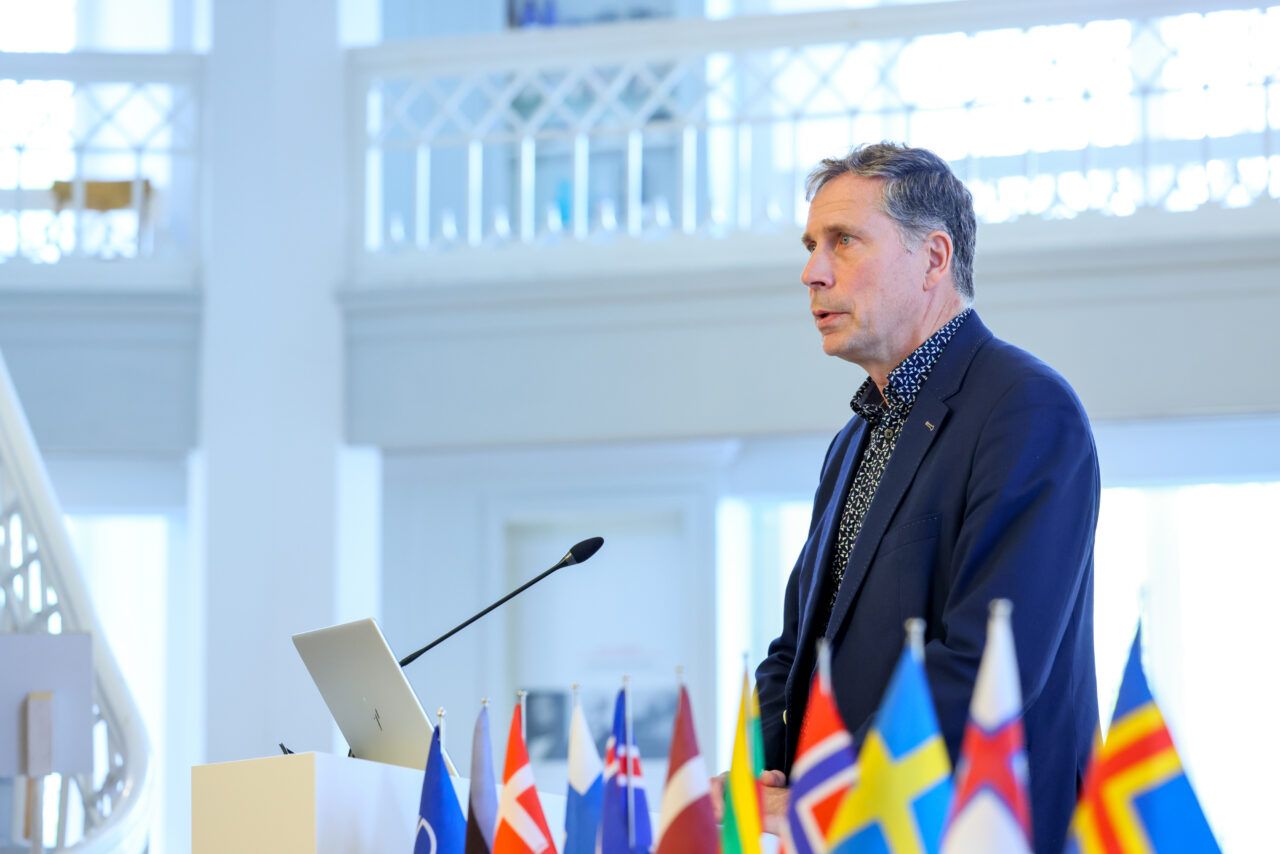
The seminar concluded with a joint discussion and light lunch. The day’s discussions highlighted that Nordic-Baltic cooperation has, over the past 35 years, become an important regional strength. Shared values, knowledge exchange, and practical cooperation help create a more resilient, innovative, and connected region for the future.
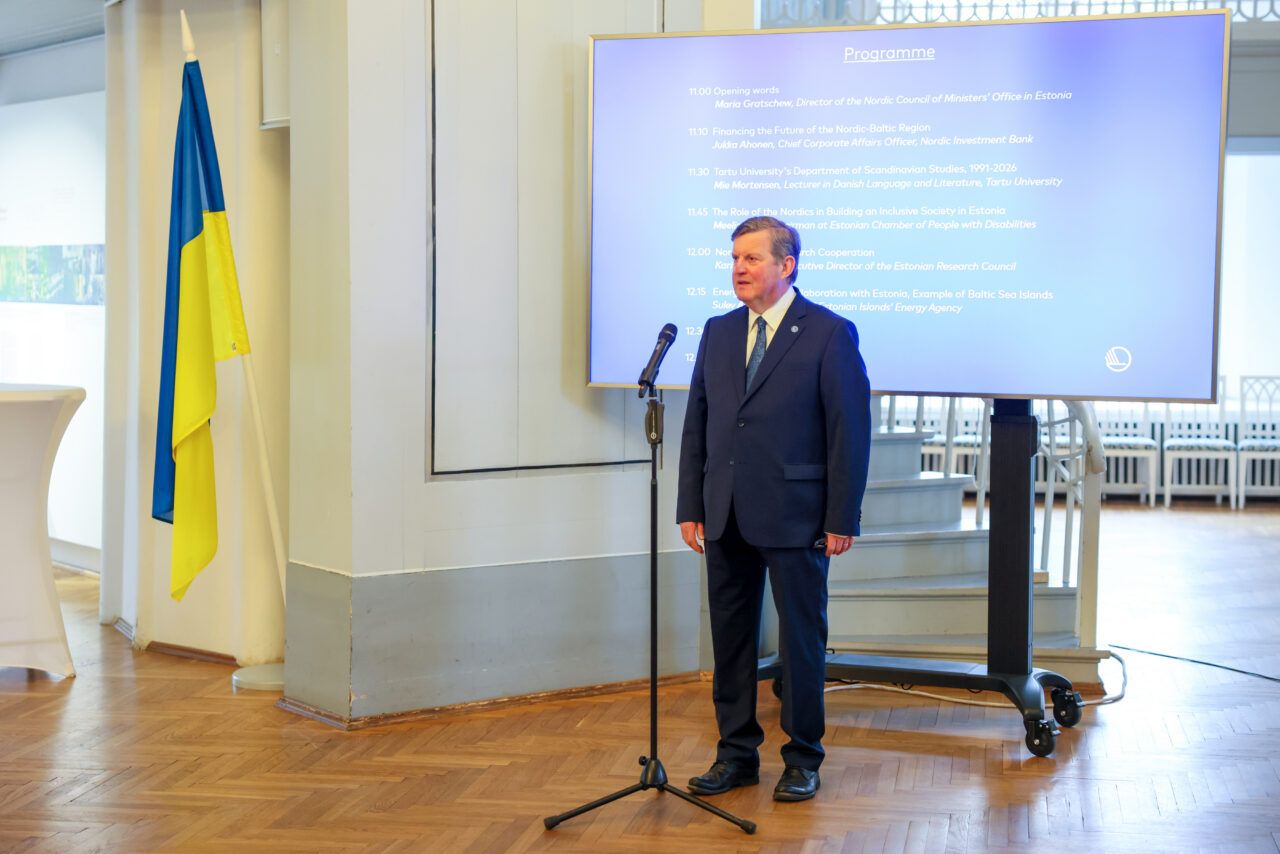
We warmly thank all speakers and participants of the seminar – you made it possible to celebrate our anniversary year in Tartu in such a meaningful way!
View the full photo gallery here.
Photos by Kristi Sits