Esa Saarinen talk for the 35th Anniversary of the NCM Office in Estonia “Working Together for a Better Future” 02.02.2026
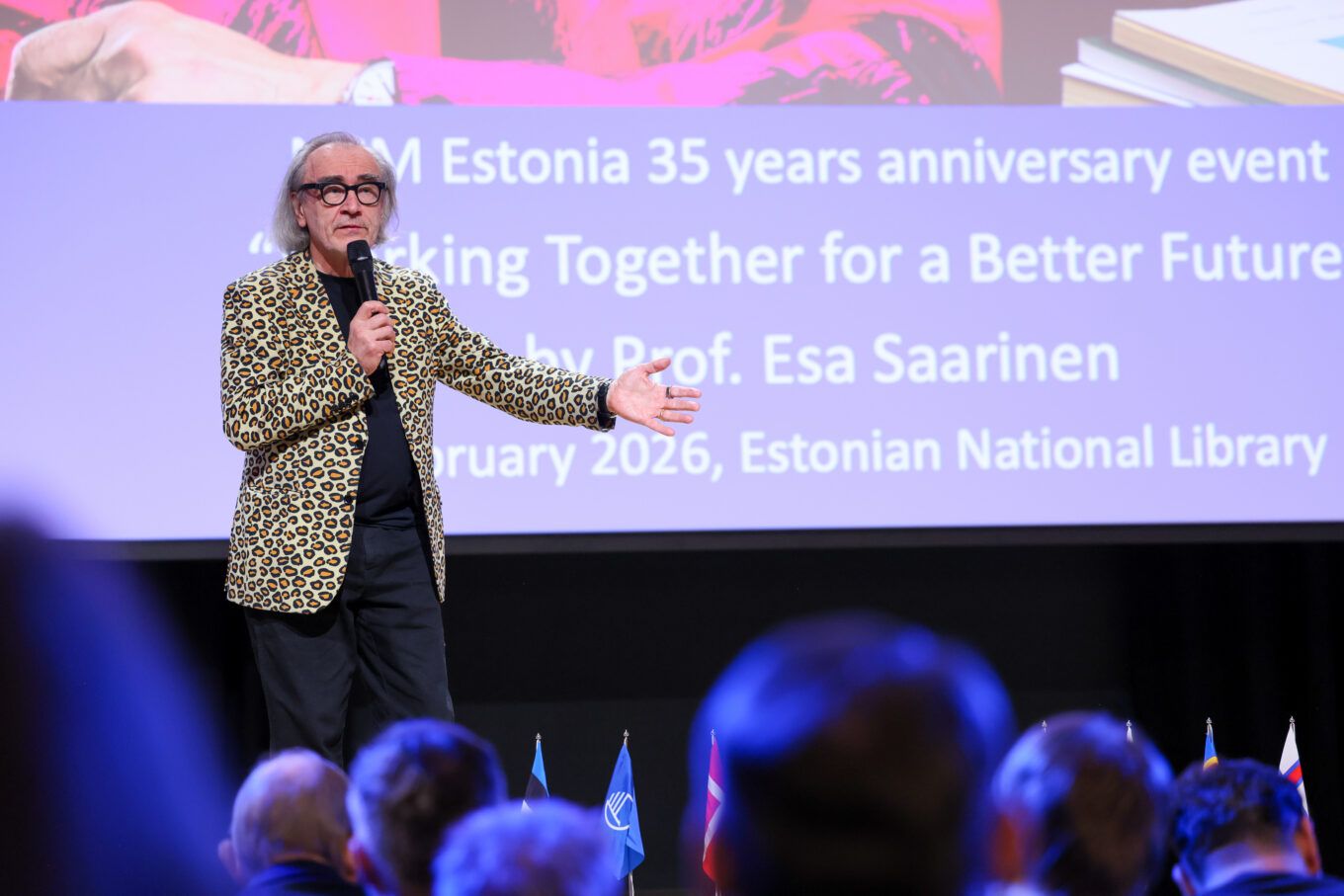
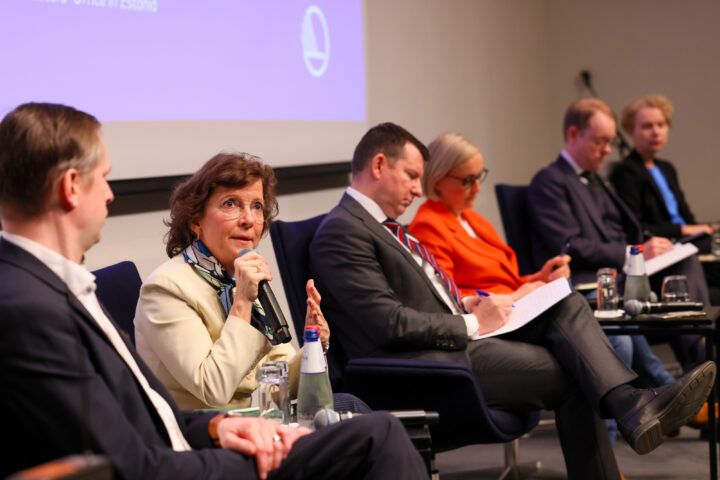
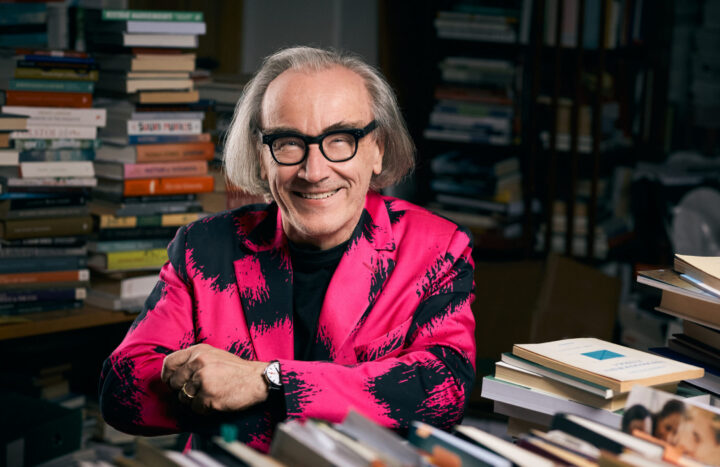
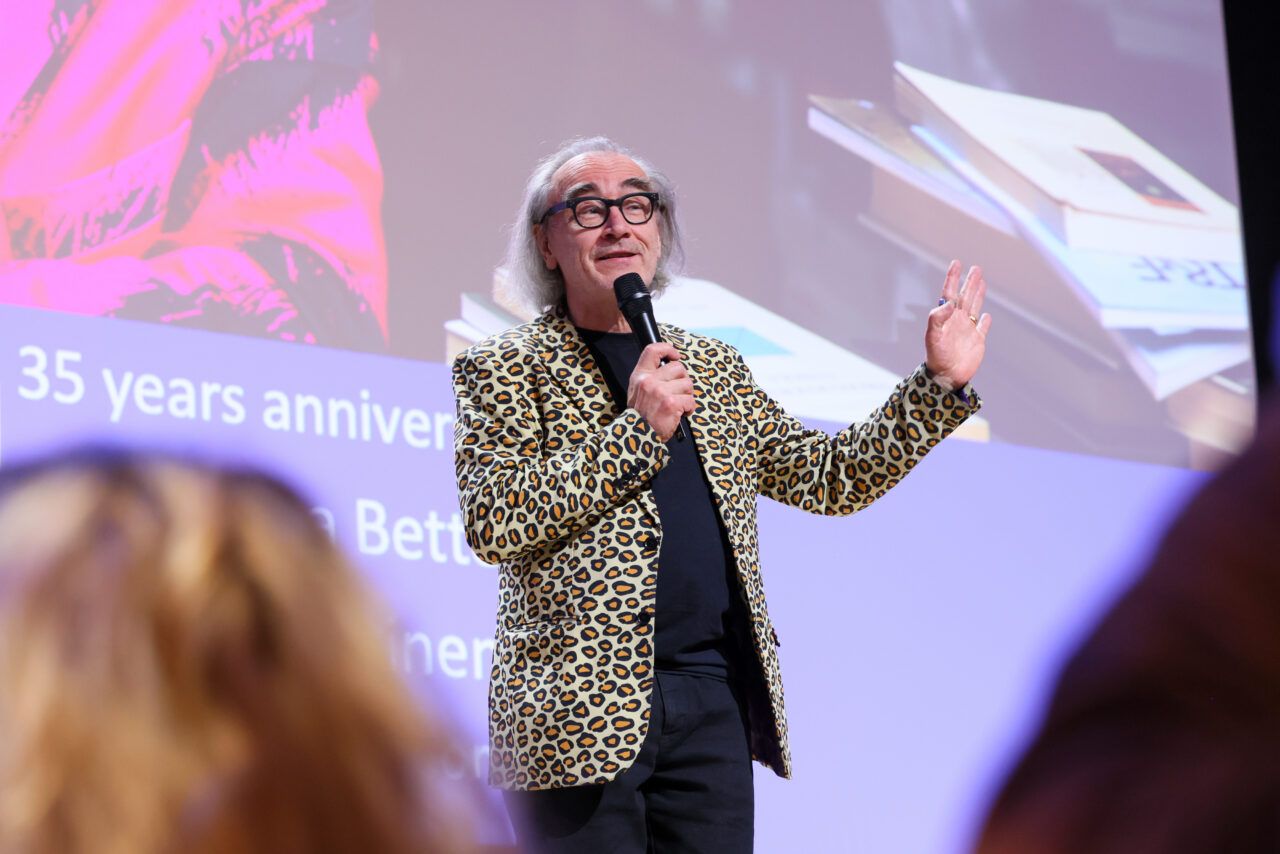
This year, on 30 January, the Nordic Council of Ministers´ Office in Estonia marked the start of its 35th anniversary year by organising a public inspirational talk “Working Together for a Better Future” by the Finnish philosopher Prof. Esa Saarinen at the Estonian National Library on 2 February. The event brought together representatives of ministries, diplomatic missions, academia, civil society and Nordic-Baltic cooperation networks to reflect on leadership, human encounters and the deeper dimensions of collaboration.
In his wide-ranging and deeply personal lecture, Saarinen invited the audience to look beyond formal agendas and institutional structures, toward what he described as the often-overlooked human dimension of working together.
Empowerment begins before the agenda
Saarinen challenged the idea that empowerment comes primarily from formal knowledge or predefined objectives. Instead, he emphasised the importance of the way people relate to themselves and to others in the midst of everyday actions.
He suggested that meaningful change often happens before a meeting or an encounter officially begins – in tone, presence and attention – and that small, intentional shifts in attitude can significantly shape collective outcomes.
Human warmth as a leadership force
A recurring theme in the lecture was what Saarinen called human warmth – a quality that may sound modest or even unremarkable yet carries true transformative potential. Drawing on stories from his own life, he illustrated how brief, sincere encounters can create dignity, trust and lasting impact.
Reflecting on a simple exchange with a local postman, Saarinen described how genuine presence can change the meaning of an ordinary moment:
“It could be that the person doesn’t say anything. It could be that somehow he or she still creates that spirit: I see you as a human being,” Saarinen noted
These micro-moments, he argued, are not marginal to leadership or cooperation – they are foundational.
Hidden compassion in society
Saarinen also spoke openly about a traumatic experience in his life when he was attacked with a knife and how it reshaped his understanding of people. Rather than leading him toward suspicion, the experience revealed something else within him.
“It didn’t change me in the sense that I would have become more suspicious of people. But it did change me in the sense that I wouldn’t have guessed that there’s so much hidden compassion,” Saarinen said.
He encouraged the audience to question their assumptions about others and to recognise that compassion often exists beneath the surface, waiting for conditions that allow it to emerge.
Thinking from the perspective of others
Drawing on research about team dynamics and leadership, Saarinen highlighted the importance of balance between advocacy and inquiry – between pushing one’s own agenda and genuinely trying to understand others.
High-performing teams, he explained, are characterised by an ability to move fluidly between these two modes. This insight resonates strongly with Nordic cooperation, where trust, dialogue and shared responsibility are central values.
A Philosophical lens on Nordic cooperation
As the Nordic Council of Ministers Office in Estonia celebrates 35 years of activity, Saarinen’s lecture offered a timely reminder of what sustains long-term cooperation: not only policies and programmes, but everyday human encounters marked by respect, attentiveness and courage to be present.
In closing, Saarinen encouraged participants to reflect on how small, intentional changes – a thought, a gesture, a moment of genuine attention – can quietly but powerfully shape institutions, relationships and societies.
Saarinen’s lecture brought philosophical depth to the aims of Nordic cooperation – reminding policymakers and practitioners alike that the strength of regional integration is built not only in strategic plans but in the everyday ways we choose to see and relate to one another.
As the Nordic Council of Ministers Office in Estonia continues to advance towards the Vision 2030 goals and the 2026 Danish and Faroese Islands Presidency’s focus on societal security, competitiveness and sustainable development, Saarinen’s perspective serves as both a reflection and a call to action – to weave human presence and attention into the fabric of policy and partnership.
“A thought can already be a micro-change,” he reminded the audience – a fitting sentiment for our Nordic-Baltic region that seeks progress and transformation through collective, sustained effort.
View the photo gallery of the event here, photos by Kristi Sits.