Esinejad
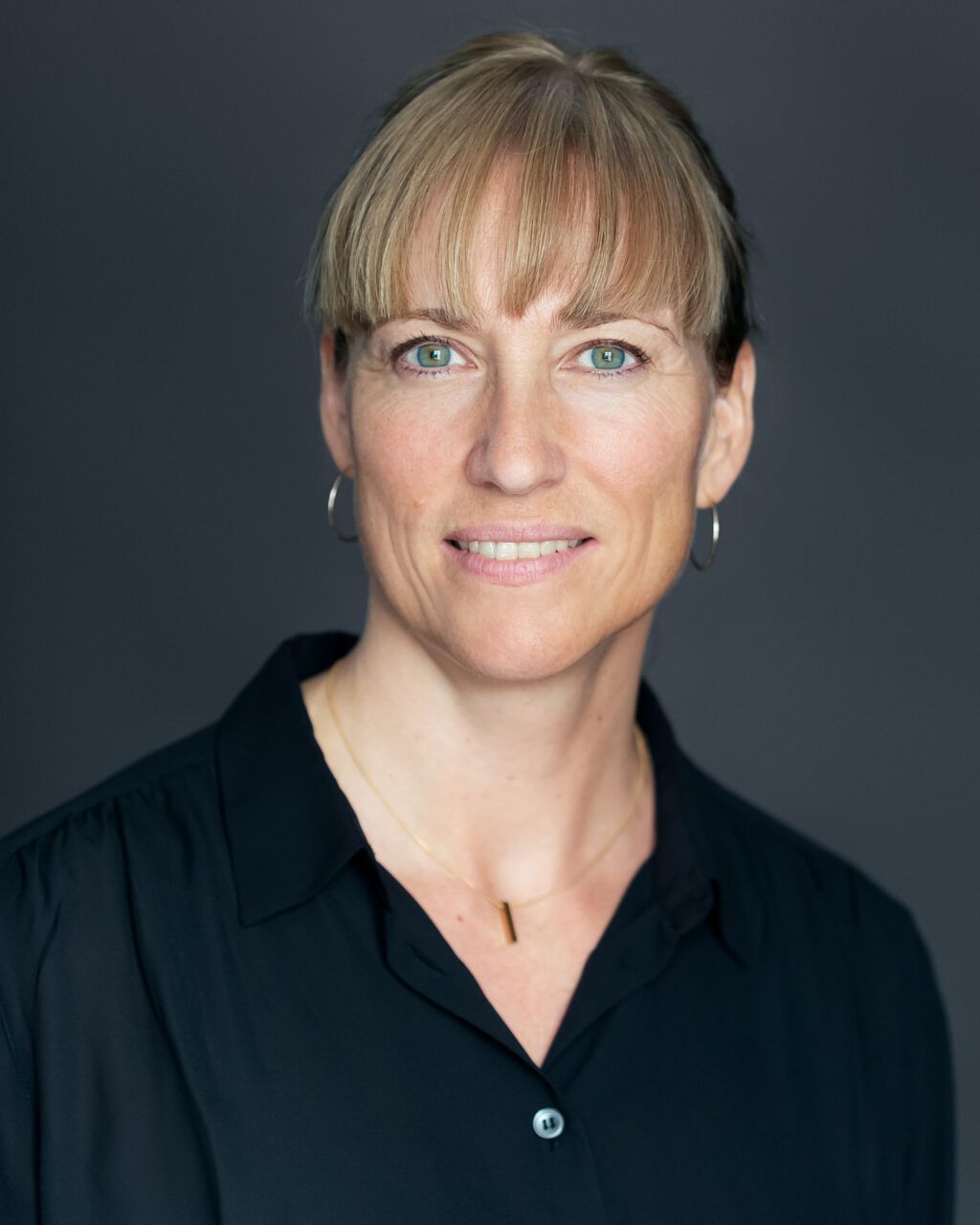
Marie Sandberg
Associate professor, Director of AMIS (Centre for Advanced Migration Studies)
University of Copenhagen
Marie Sandberg is Associate Professor, and director of AMIS – Centre for Advanced Migration Studies at the University of Copenhagen.
Read more Show less
She specializes in everyday Europeanisation, migration practices and the European border regime. Marie was editor-in-chief of Ethnologia Europaea – Journal of European Ethnology and has authored several research publications in journals such as Identities, NJMR, Journal of Ethnic and Migration Studies and Journal of Refugee Studies. She has co-edited several volumes, special issues, and book series, such as The Temporary Turn in Asylum (JEMS 2025), Europe Trouble (NJMR 2020), Caring for (Big) Data (Palgrave 2021) and The Migration Mobile (Rowman & Littlefield 2022). She has been leading and co-leading a range of research projects (funded by DFF, VELUX, Carlsberg Foundation). Recently, she completed the research-practice project (as the PI) in collaboration with Red Cross and Danish Refugee Council, “Boundary Work – new interfaces between the state, civil society and refugees in a self-reliance and return context” funded by the VELUX Foundations (2021–2024) focusing on Denmark’s turn to temporary protection.
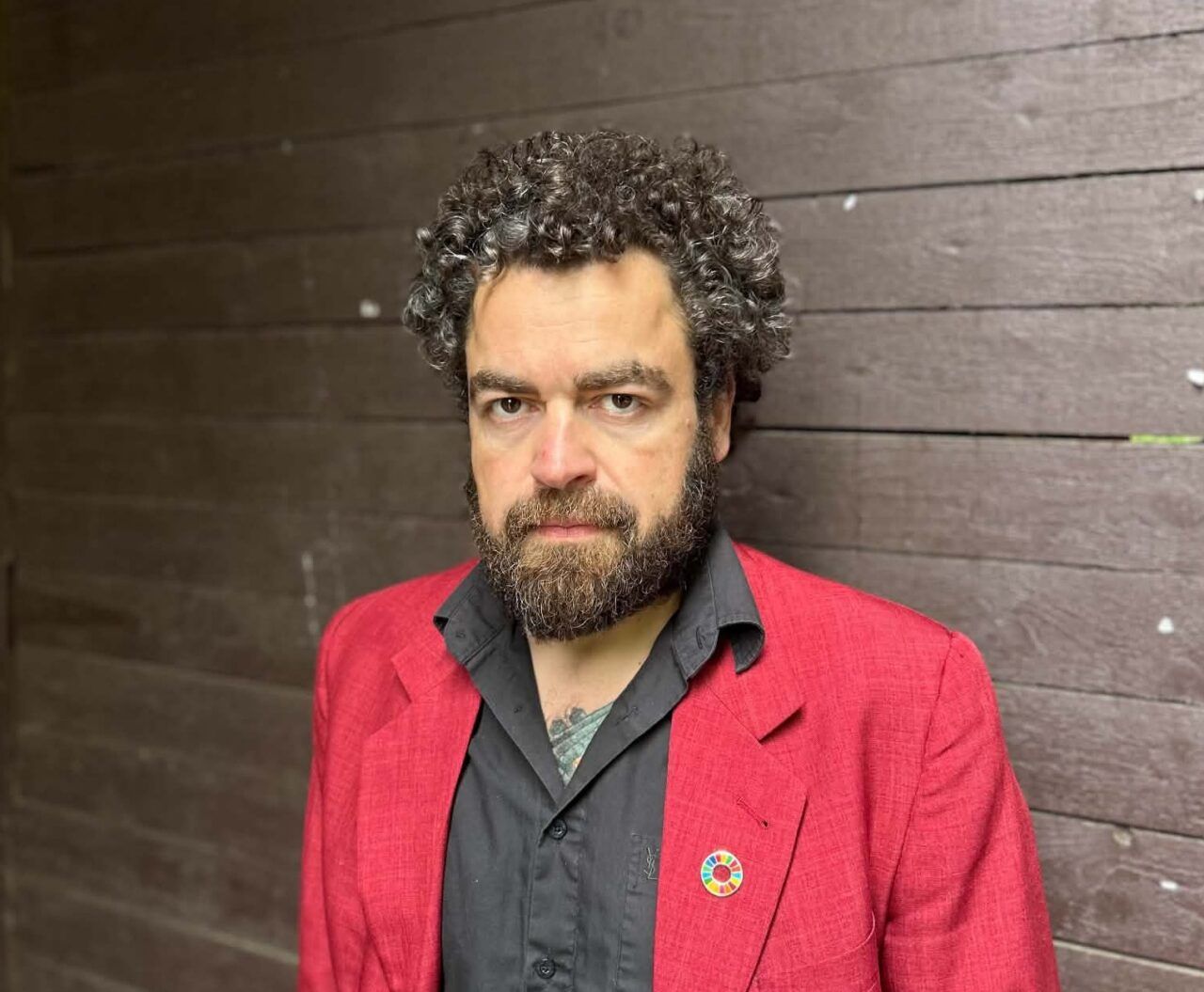
Karolis Zibas
Founder, Research and Policy Advisor
Independent Think Tank Diversity Development Group
Read more Show less
He holds a PhD in Sociology and has over 18 years of experience in human rights, migration governance, and integration policy. He founded the think tank Diversity Development Group and previously served as a (Re)integration Officer with UNHCR, where he led the Durable Solutions strategy across eight Nordic and Baltic countries.

Vilde Hernes
Research Professor
Oslo Metropolitan University
Vilde Hernes is a Research Professor in political science, focusing on immigration and integration policies and governance in an European and Nordic context.
Read more Show less
She has led several research projects on the refugee influxes in 2015/16 and after 2022. She looks forward to meeting other people in the field, as well as discussing and receiving input on the consequences of increased temporality for immigrants in Europe – particularly experiences from other countries.
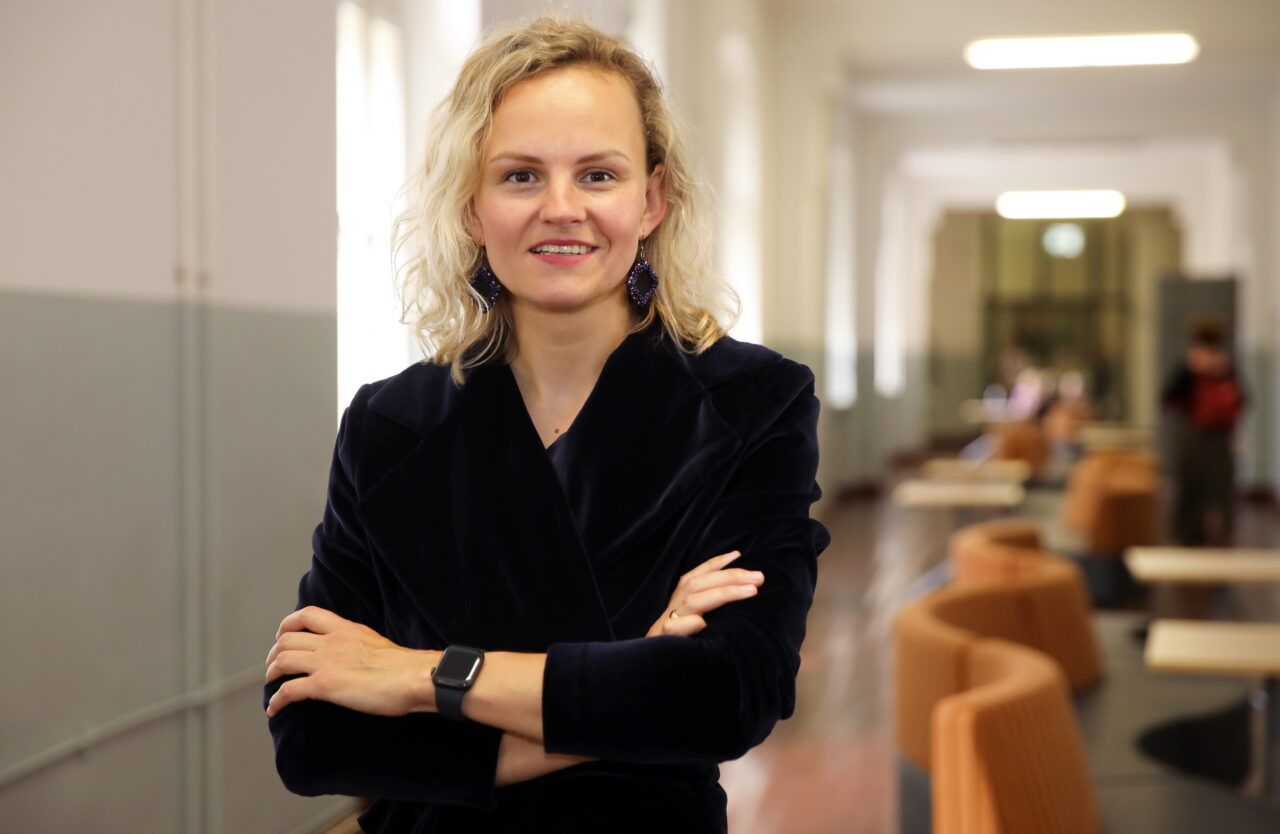
Inese Saldābola
Head of the Integration and Inclusion Agency
Society Integration Foundation of Latvia
Read more Show less
During this time, they have continuously adapted their approach to supporting newcomers, moving beyond simply providing answers to individual questions and focusing on empowering people to improve their daily lives, actively participate in their communities, and build a fulfilling life in their new home. As the integration landscape is constantly evolving, she highly values opportunities to exchange experiences and discuss good practices with colleagues from different countries and organizations. She believes that a cohesive and inclusive society is a key prerequisite for the successful integration and long-term inclusion of newcomers.
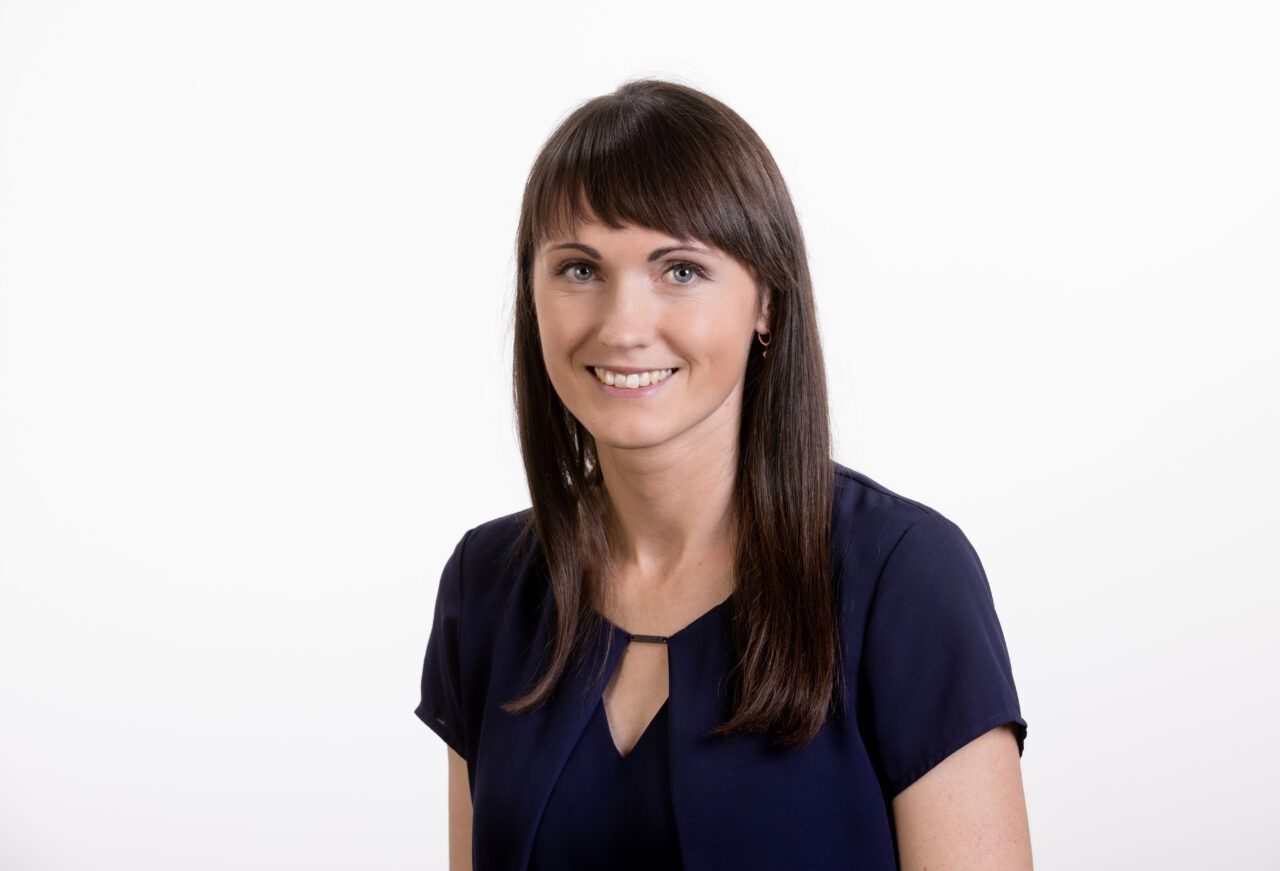
Kadi Kalm
Research Fellow in Migration Studies
University of Tartu, Department of Geography
Kadi Kalm is a researcher in migration studies at the University of Tartu, where her work focuses on spatial inequalities, inter-ethnic contacts and the migration and residential mobility of immigrant populations, mainly using census and register data.
Read more Show less
Her presentation examines where Ukrainian war refugees in Estonia live, how their residential choices have developed since arrival, and what their housing situation looks like today.
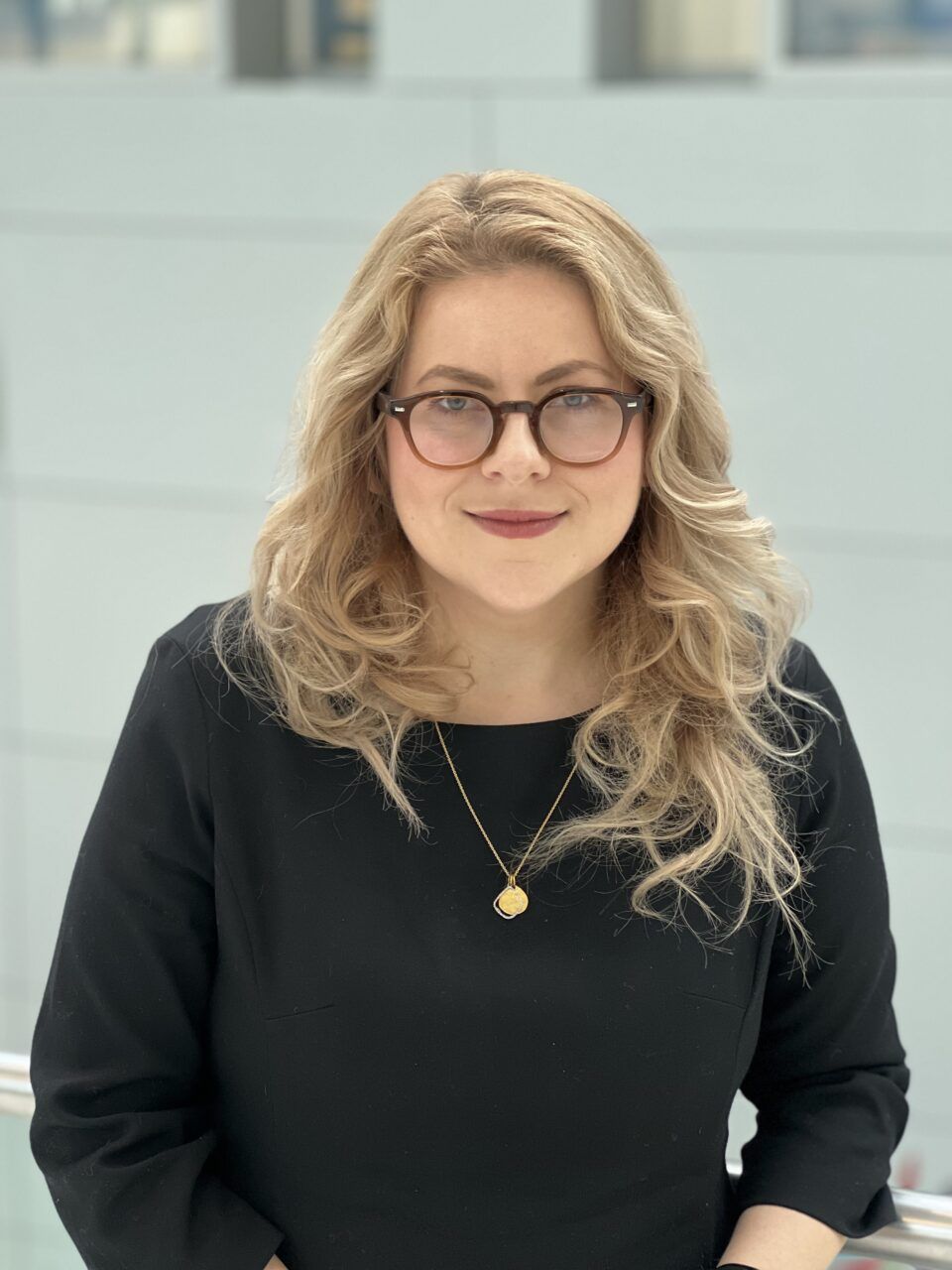
Ave Lauren
Migration expert
Ave Lauren is a migration policy expert with more than a decade of experience spanning policy, research and international cooperation.
Read more Show less
She currently coordinates the Human Dimension Pillar of the Ukraine Recovery Conference 2027 in Tallinn. Most recently, she worked at the OECD, where she led work on the Ukrainian displacement crisis across OECD countries and contributed to a comprehensive policy review for the Government of Ukraine on the return and reintegration of displaced Ukrainians. Earlier in her career, she worked with the European Migration Network (EMN) in several roles, including as a national coordinator and overseeing Europe-wide cooperation with non-EU partner countries across the Eastern Partnership, Western Balkans and Caucasus. She holds a PhD in Geography from the University of Cambridge and is particularly interested in how Nordic-Baltic cooperation can support effective, forward-looking migration policies and contribute to Ukraine’s longer-term recovery and reconstruction.
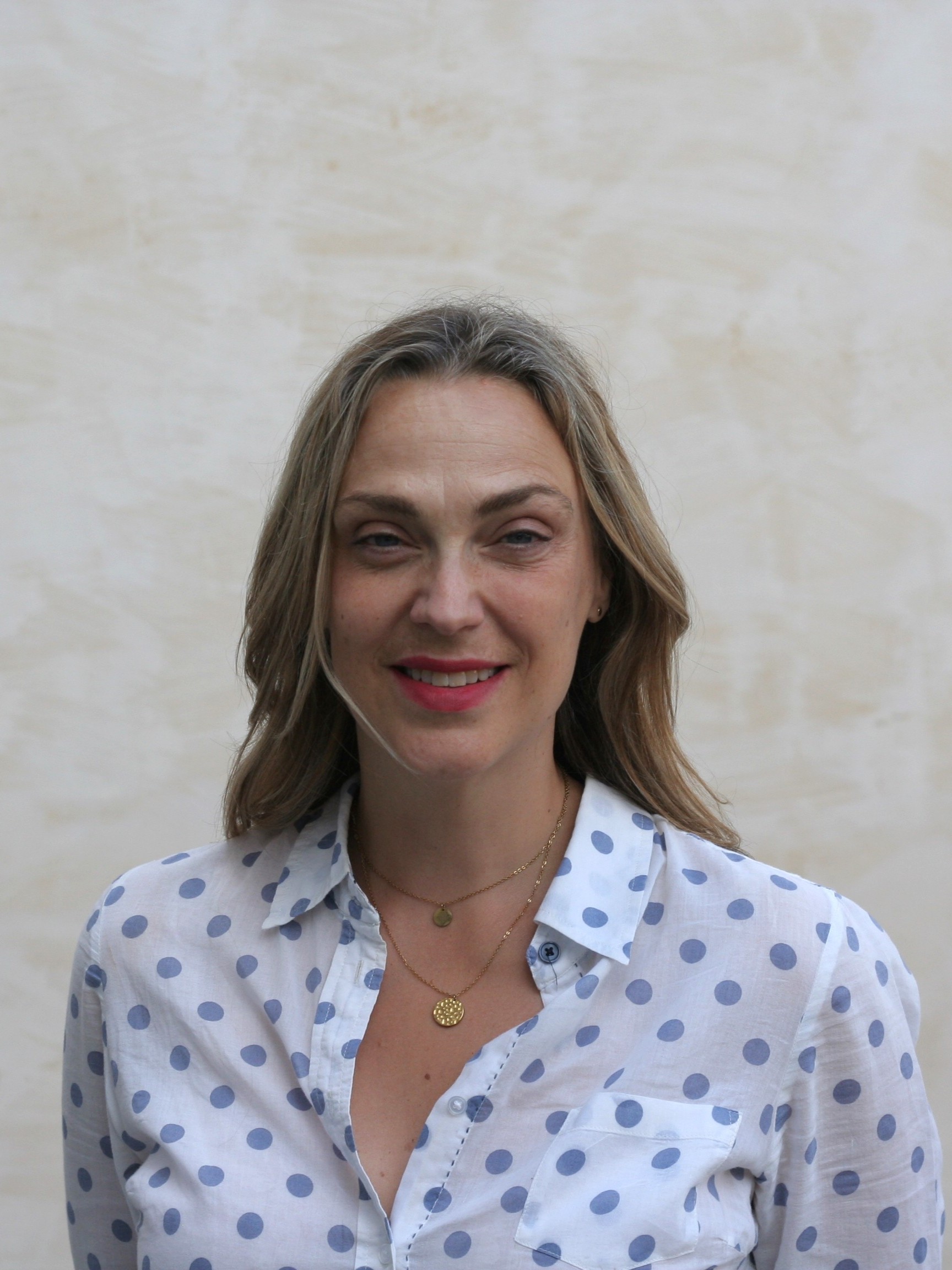
Kaisa Kepsu
Operations manager
Nordic Welfare Centre
Kaisa Kepsu is operations manager in the fields of migrant integration and public health at the Nordic Welfare Centre in Helsinki.
Read more Show less
NWC is a knowledge organisation acting as a bridge between research and policy, and a forum for Nordic and Nordic-Baltic cooperation. Kepsu is a population geographer and has a background in migration research.
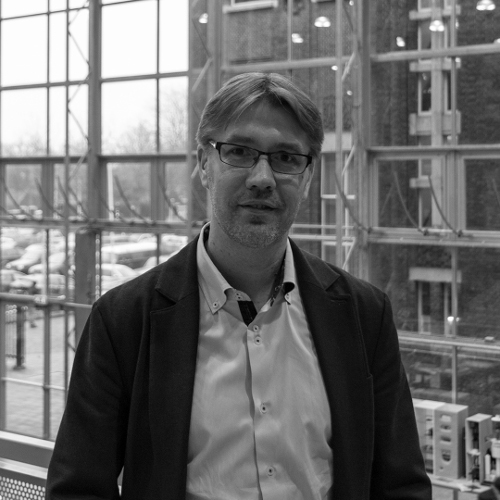
Tiit Tammaru
Professor of Urban and Population Geography
University of Tartu
University of Tartu
Read more Show less
He leads comparative studies of migration, housing, and integration that leverage harmonised Nordic and Baltic population-registers linked with census and mobility datasets to track individuals and households longitudinally. His research advances the Vicious Circles of Segregation framework to explain how disadvantage and opportunity are reproduced—and sometimes overcome—through the life course and across generations, while developing new measures of neighbourhood change. He has also built a Migration Calculator to model population projections under alternative migration assumptions and assess regional demographic futures.
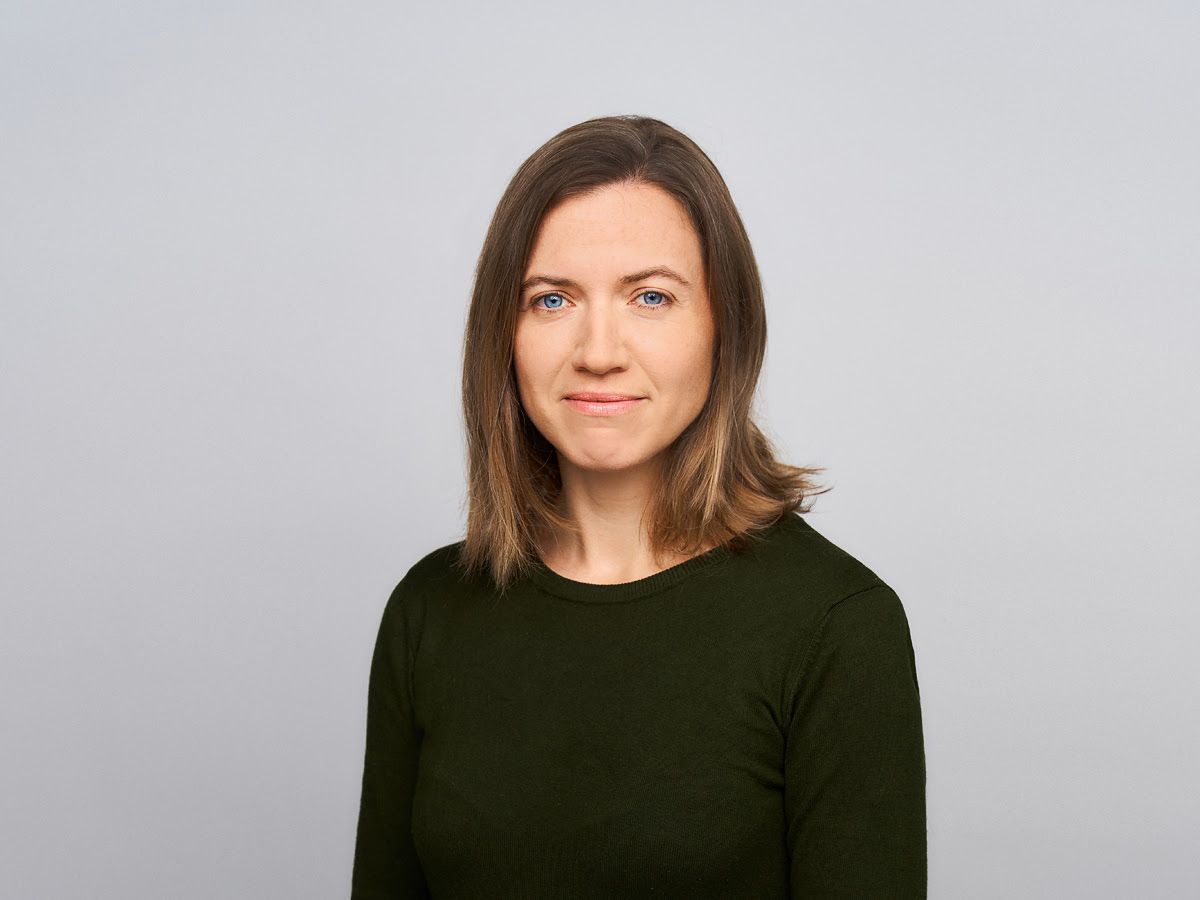
Liis Paloots
Head of Department of Social and Special Care
Social Insurance Board of Republic of Estonia
I have worked in the field of migration for the past 15+ years, with a particular focus on the reception of asylum seekers.
Read more Show less
Looking forward to fruitful discussions on lessons learned and how they can be integrated into responses dealing with different migratory flows.